Community Support and Engagement
Working effectively with a range of individuals, stakeholders, and communities is critical to lawyering. Promoting belonging and inclusiveness for all is a necessity at Denver Law and within the broader legal profession. Community Support & Engagement aims to foster those ideals.
- Community Support & Engagement CLE Series
- Community Resources & Opportunities
- Visual Arts Initiative
-
Student Funds for Professional Development
Please complete this application to be considered for funding support for a conference.
Inclusive Teaching Practices
The Sturm College of Law is committed to providing an inclusive learning environment for all our students. Inclusive teaching is an approach that is responsive to all intersecting social identities and the lived experiences of students in the classroom. Learn about Inclusive Teaching Methods at Denver Law as well as Sample Syllabus Statements provided by the DU Office of Teaching & Learning. Also, see below for approaches to inclusive teaching methods from Denver Law faculty members.
-
Inclusive Teaching Methods from Denver Law Faculty
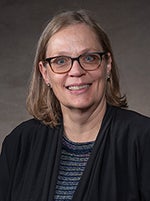
Professor Diane Kraft
“Succeeding in law school—or in anything—depends on so many variables, but one of the most important is a simple sense of belonging. The sense that, yes, this is where I should be and this is what I should be doing. I want each of my students to be able to say that, honestly, at the end of each semester, regardless of who they are, what their background is, or what obstacles they have had to overcome. Inclusive teaching begins even before students have had their first law school class. During orientation, I encourage students to ask questions as they read cases: Do you agree with the opinion? What did the Court get right, and what did it get wrong? Is the policy underlying the rule defensible? What questions do you have for the Court, given your own experiences and perspectives?”
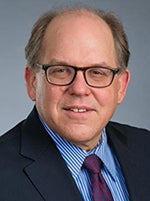
Professor Roberto Corrada
“I try to make a strong personal connection with each student in my class. I have students introduce themselves by video, answering several questions like where you’re from, where you went to college, what you studied, why you came to law school. I do this after sharing my own intro. I talk about my Puerto Rican background and that I was a first generation in the US law student. I’m well-traveled and can usually find some connection with everyone, usually some knowledge of where they are from. I especially look out for diverse students, particularly if they’re from out of state, to make them feel welcome. I out myself as a crit and a race crit and I explain what that means, but I also explain that most of my family is religious and conservative and we engage in dialogue all the time. I welcome such dialogues in the classroom no matter you’re background, but insist we keep it polite. I don’t tell students, but I have and will intervene if things start to get out of hand. I do this mostly by stepping into the debate myself. For neurodivergent students, I have designed my class around universal design principles. I have found, though, this kind of design actually benefits all students. One thing I did was look at all my deadlines and think about whether they were necessary. I give two practice problems a semester, they are each doable in one hour and from a past final exam. I give heavy feedback and some indication: check, check plus, or check minus, to give the student an idea where they stand. If the students turn in the problems, they get an A for 15% of their grade. They have 10 days to do the one hour problem. It’s set up so nobody even has to ask for an accommodation.”
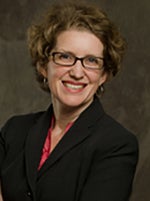
Professor Lindsey Webb
“Creating an inclusive classroom requires deconstructing barriers to learning that limit student understanding of the material and class engagement. Those barriers absolutely include inaccessible materials and spaces, but also include teaching practices that cause students to feel afraid, unseen, and disrespected. It isn’t enough to do the work in our own classrooms - we also must be critical of institutional or societal policies and laws that ask us to normalize exclusionary practices for the sake of tradition, cost, or “standards” that support an inequitable status quo.
Towards this end, I am guided by questions such as: Are the materials I am using affordable? Do the images, media, and readings I use in my class represent a variety of experiences and identities? Where can I provide moments of flexibility when my students are sick, having parenting or work conflicts, or otherwise experiencing challenges that come with being human? Where am I accepting a status quo that I think is harmful to myself, my students, or the institution, and what steps can I take to challenge those conditions? I am absolutely a work in progress on all of these issues -- but addressing them is essential if we seek to create a more expansive, healthier, and truly diverse educational institution and legal community. “

Prepare to be a Lawyer for Justice & Equity
Enroll in courses to prepare you to lawyer for justice & equity
- Six nationally ranked clinics: represent incarcerated individuals, small business, domestic violence survivors, and more
- Home to Lawyering in Spanish course offerings, featuring classes designed to support working with Spanish-speaking clients
- Develop your advocacy skills with courses that connect you directly to community needs

Community Resources & Opportunities
- Participate in our nationally recognized Tribal Wills Project, writing estate documents for tribal members across the Mountain West, and Alternative Spring Break, supporting immigrants and migrants at the border in NM and Texas
- Attend events hosted by the Rocky Mountain Collective on Race, Place and Law, a faculty/staff group dedicated to identifying and addressing racial inequities in the U.S. and around the globe
- Join affinity-based student organizations, and gain peer and professional affinity mentors
-
Resources for Students Who Are Members of the LGBTQIA+ Community
The Sturm College of Law Office of Community Support and Engagement seeks to cultivate a teaching and learning environment that creates a sense of inclusion, belonging, and well-being for all members of our community. We believe that the presence, participation, and perspectives of individuals from groups that have been traditionally underrepresented in legal education and the legal profession – including those that have experienced systematic marginalization, oppression, and exclusion – is of imminent importance and requires intentional time, energy, resources and engagement from our office. The Office of Student Affairs encourages student success by enriching the student experience outside the classroom, providing opportunities for engagement and leadership development, and supporting the growth of the whole student. Through all of its efforts – counseling, student organization support, and much more – Student Affairs aims to create a supportive student experience.
Created in partnership by both offices, the information below aims to provides you with a non-exhaustive list of resources, both internal and external to DU, that we hope offers meaningful ways to gain support, find community, and obtain information for LGBTQIA+ students. It is one way in which we seek to remind you that you belong at Denver Law. We are eager to connect with you so please reach out to the Community Support and Engagement office and Student Affairs and let us know what type of support we may provide.
Note: The resources included here that are not University of Denver resources are not endorsed by DU and we are not responsible for the content of, or service provided by any of these resources.
All-Gender Restrooms- Ricketson Law Building: Three (3) restrooms are located on each floor of the Westminster Law Library, found along the east end of the library. Two on each floor are specifically designated gender neutral while one is specifically designated for wheelchair accessibility but is also considered gender neutral.
- DU Campus more broadly: Visit this Interactive Campus Map
Preferred Name & Name Change Requests- The University of Denver has a process to allow students to designate name changes. For information on the process and documentation required, visit the DU Registrar. It is recommended by the Registrar that students complete both the preferred name and chosen/professional name process to ensure that the name change is consistent across the many DU platforms and systems.
- After reviewing the website, complete this Name Change Request Form.
- Students may also specify a "diploma name" to use on DU diplomas.
Changing the Name for your Law School Email Address- Please reach out to Student Affairs if your email address does not appropriately reflect the name you would like to be called. We will work with Networking Services to make this change. Your name does NOT need to be legally changed in order for this change to occur.
Sample email to instructors regarding name, gender identity, and/or pronoun
If you would like to contact your professor directly regarding your name and pronoun, below is a sample email you can use – please edit as you see fit. Further, if you prefer not to reach out to your professor directly, you can contact the Student Affairs office or DEI office for assistance.
Dear [appropriate title and professor's name -- e.g., Prof. Salazar]
I am a student in your upcoming [class name, course number and meeting day/time], and wanted to write with an important request regarding my presence, participation, and safety in your class. Although I will likely appear on the class roster as [legal name], I go by [chosen name]; and I would greatly appreciate you using that name and [correct] pronouns with me, and modeling the same to the rest of the class. If you have any questions regarding University policy around gender identity/expression equity, and/or for additional support, please feel free to contact Student Affairs.
Thank you very much for your understanding. I’m looking forward to your class!
Your name
Your email address
Changing your Student ID card (through the Pioneer ID Card Office)
The Pioneer ID Card Office can print you an ID with your preferred/chosen name. This name must be reflected in your student record before they can print you an ID with your preferred/chosen name. If you have not already submitted a preferred name request, you can find details on how to do so at this link. Please contact the Pioneer ID Card Office with further questions. Your name does NOT need to be legally changed for this change to occur.
DU Identity Resources
For more comprehensive information, visit the University’s identity resources page.
University of Denver Organizational and Student Resources
Colorado-Based Legal Organizations and Groups
National Affinity Organizations and Groups
Other Resources and Readings
The following resources might be useful to you as you navigate law school and the legal profession as a member of the LGBTQIA+ community. We recognize that not every reading or resource speaks to the myriad of lived experiences individuals have, but we hope some of these resources are helpful. The list is non-exhaustive. We encourage you to conduct your own individualized research on these services as well as selecting a mental health professional and/or yoga practitioner more broadly. The resources included here are not endorsed by DU and we are not responsible for the content of, or service provided by any of these resources.
Wellness & Physical/Mental Health Practitioners- Counseling Center Referral Service: This is a comprehensive web-based platform run out of DU’s counseling center. DU community members including students, staff, and faculty can search for a provider based on the provider’s name, gender identity, language proficiencies, racial/ethnic identity, area of expertise, services offered, and insurances accepted.
- DU Health and Counseling Center: Individual and group counseling available as well as in person and phone. Groups for students of color (as well as groups for other identities) available.
- DU Health and Counseling Center: LGBTQIA+ Healthcare
- DU Resources for Sexual Health
- National Alliance on Mental Health- LGBTQI: This page lists a number of resources to assist on identifying a mental health provider (scroll down!)
- National Queer and Trans Therapists of Color Network: Mental health resources for persons identifying as LGBTQI+.
Blogs, Books, and Other Resources
-
Resources for Students of Color at Denver Law
The Sturm College of Law Office of Community Support and Engagement seeks to cultivate a teaching and learning environment that creates a sense of inclusion, belonging, and well-being for all members of our community. We believe that the presence, participation, and perspectives of individuals from groups that have been traditionally underrepresented in legal education and the legal profession – including those that have experienced systematic marginalization, oppression, and exclusion – is of imminent importance and requires intentional time, energy, resources and engagement from our office. The Office of Student Affairs encourages student success by enriching the student experience outside the classroom, providing opportunities for engagement and leadership development, and supporting the growth of the whole student. Through all of its efforts – counseling, student organization support, and much more – Student Affairs aims to create a supportive student experience.
Created in partnership by both offices, the information below aims to provides you with a non-exhaustive list of resources, both internal and external to DU, that we hope offers meaningful ways to gain support, find community, and obtain information for students of color. It is one way in which we seek to remind you that you belong at Denver Law. We are eager to connect with you so please reach out to the Community Support and Engagement office and Student Affairs and let us know what type of support we may provide.
Note: The resources included here that are not University of Denver resources are not endorsed by DU and we are not responsible for the content of, or service provided by any of these resources.University of Denver Organizational & Student Resources
Denver Law Affinity Groups
- Asian Pacific Law Students Association (APALSA)
- Black Law Students Association (BLSA)
- Latinx Law Students Association (LLSA)
- Native American Law Students Association (NALSA)
- Law Students with Disabilities Organization
DU Affinity Groups
Colorado-based Legal Organizations & Groups- Center for Legal Inclusiveness
- Affinity Bar Organizations for Lawyers/Law Students of Color
National Affinity Organizations & GroupsNational Student Affinity Organizations
- National Asian Pacific American Law Students Association
- National Black Law Students Association
- National Latino/a Law Student Association
- National Muslim Law Student Association
- National Native American Law Students Association
- North American South Asian Law Students Association
National Affinity Bar Organizations- Hispanic National Bar Association
- Latina Lawyers Bar Association
- National Bar Association
- National Asian American Pacific American Bar Association
- National Association of Muslim Lawyers
- National Conference of Black Lawyers
- National Native American Bar Association
Other Resources & Readings
The following resources might be useful to you as you navigate law school and the legal profession as a person of color. We recognize that not every reading or resource speaks to the myriad of lived experiences individuals have, but we hope some of these resources are helpful. The list is non-exhaustive and while a few of the organizations bear the name of an actual historically marginalized group, all are intended to serve individuals from historically marginalized groups. We encourage you to conduct your own individualized research on these services as well as selecting a mental health professional and/or yoga practitioner more broadly.
Note: The resources included here that are not DU resources are not endorsed by DU and we are not responsible for the content of, or service provided by any of these resources.
Wellness & Mental Health Practitioners- Counseling Center Referral Service: This is a comprehensive web-based platform run out of DU’s counseling center. DU community members including students, staff, and faculty can search for a provider based on the provider’s name, gender identity, language proficiencies, racial/ethnic identity, area of expertise, services offered, and insurances accepted.
- DU Health and Counseling Center: Individual and group counseling available as well as in person and phone. Groups for students of color (as well as groups for other identities) available.
- Asian Mental Health Collective: Mental health resources for persons of Asian descent.
- Black Men Heal: Mental health resources for Black men.
- Courageous Yoga: Inclusive yoga resources, local to Denver.
- Liberate App: Mental health resources for People of Color.
- MannMukti: Mental health resources for persons identifying as South Asian.
- National Asian American Pacific Islander Mental Health Association: Mental health resources for persons of Asian American and Pacific Islander descent.
- National Queer and Trans Therapists of Color Network: Mental health resources for persons identifying as LGBTQI+.
- Native American Counseling and Healing Collective: Mental health resources for persons identifying as Native American.
- Therapy for Latinx: Wellness and therapeutic resources for Latinx womxn.
- Therapy for Black Girls: Wellness and therapeutic resources for Black womxn.
Blogs, Books, and Other Resources
-
Resources for Military Veterans
The Sturm College of Law Office of Community Support and Engagement seeks to cultivate a teaching and learning environment that creates a sense of inclusion, belonging, and well-being for all members of our community. The Office of Student Affairs encourages student success by enriching the student experience outside the classroom, providing opportunities for engagement and leadership development, and supporting the growth of the whole student. Through all of its efforts – counseling, student organization support, and much more – Student Affairs aims to create a supportive student experience.
Created in partnership by both offices, the information below aims to provides you with a non-exhaustive list of resources, both internal and external to DU, that we hope offers meaningful ways to gain support, find community, and obtain information for U.S. military veterans. It is one way in which we seek to remind you that you belong at Denver Law. We are eager to connect with you so please reach out to the Community Support and Engagement office and Student Affairs and let us know what type of support we may provide.
Note: The resources included here that are not University of Denver resources are not endorsed by DU and we are not responsible for the content of, or service provided by any of these resources.University of Denver Organizational & Student Resources
- The Sturm Center: Provides mental health support for veterans (no matter discharge status, era or combat status) and service members including Guard and Reserve members and their families.
- Veterans and Military Services: GI information and student services.
- DU Registrar (not law) - Military & Veterans Education Programs
- Center for Advocacy, Prevention, and Empowerment - Veterans Resources
- Denver Law Student Organization - Student Veterans of America
National Legal Organizations and Groups
-
Resources for Students with Disabilities at Denver Law
This webpage, created in partnership by the Office of Student Affairs and the Office of Community Support and Engagement at Denver Law, provides you with a non-exhaustive list of resources, both internal and external to DU, that we hope offer meaningful ways to gain support, find community, and obtain information for students with disabilities and accommodations. It is one way in which we seek to remind you that you belong at Denver Law. We are eager to connect with you so please reach out to the Community Support and Engagement office and Student Affairs and let us know what type of support we may provide. Note: The resources included here that are not DU resources are not endorsed by DU and we are not responsible for the content of, or service provided by any of these resources.
DU Accommodation Resources
Denver Law along with AccessibleDU: Student Disability Services (SDS) are dedicated to giving students with disabilities an equal opportunity to participate at the University of Denver. SDS provides accommodations at no cost to any student who has a documented disability as required by the Americans with Disabilities Act and Section 504 of the Rehabilitation Act. Accommodations are designed to afford students equal opportunity to participate in DU and Denver Law’s robust courses, activities, and programs.
How do Accommodations Work at DU Law?
All accommodations must be reviewed and approved by DU’s Student Disability Services. After accommodations have been approved, SDS will communicate your new accommodations to the Office of Student Affairs at DU Law. Student Affairs is responsible of implementing accommodations at the law school and supporting law students with accommodations. Many accommodation procedures are different at the law school then they are for DU’s undergraduate population. It is important to be in communication with Student Affairs and understand how your accommodations apply to the DU Law setting.
How can I Apply for Disability Accommodations?
Requesting Accommodations for the first time at Denver Law:
1. Download and fill out the Intake Packet. Submit the packet and documentation from your doctor to Student Disability Services (dsp@du.edu) or in person at SDS office on the 4th floor of Ruffatto Hall.
2. After SDS has reviewed your documentation, a staff member from SDS, followed by a Student Affairs team member, will be in contact with you to let you know the accommodations for which you have been approved. The communication from Student Affairs will include how your accommodation(s) will be applied specifically within the law school.
3. All accommodations in the law school are managed through the Office of Student Affairs. Law students are NOT required to disclose disabilities and/or accommodations to their faculty unless you choose to do so.
Please Note: It can take up to six weeks for SDS to review your documentation, so be sure to get your documentation to SDS ahead of time if you wish to receive accommodations on tests and exams.
Requesting Additional Accommodations:
To request a new accommodation, or modification to an existing accommodation, students may contact SDS by email (dsp@du.edu), phone (303.871.2278) or in person (4th Floor of Ruffatto Hall). Students may also contact Student Affairs before reaching out to SDS first. You can contact Student Affairs by e-mail, phone (303.871.6108), or in person (Ricketson Law Building, Suite 115).
Accommodations cannot be retroactive; they can only be applied to current or future course work or University programming.
Exam Accommodations:
In order to receive testing/exam accommodations, you need to be approved by SDS. Upon approval, Student Affairs will send you further communication about how test/exam accommodations are implemented within the law school. Accommodations may include, but are not limited to, extended time testing, minimal distraction testing environments, etc.
UNIVERSITY OF DENVER ORGANIZATIONAL AND STUDENT RESOURCES
Disability Law Student Organization: Disability Law Student Organization is a student-run affinity group for people with disabilities. The focus of the group is to provide a supportive environment for all students with disabilities. The goal is to increase the Denver Law and the broader legal communities' accessibility and cultural competency regarding disabilities. For more information about this organization, become a member, and/or get involved, please contact the Office of Student Affairs and they will connect you with the current student leaders!
NATIONAL AFFINITY ORGANIZATIONS AND GROUPS
National Disabled Law Student Association
Wellness & Physical/Mental Health Practitioners
• Counseling Center Referral Service: This is a comprehensive web-based platform run out of DU’s counseling center. DU community members including students, staff, and faculty can search for a provider based on the provider’s name, gender identity, language proficiencies, racial/ethnic identity, area of expertise, services offered, and insurances accepted.
• DU Health and Counseling Center: Individual and group counseling available as well as in person and phone. Groups for students of color (as well as groups for other identities) available.
-
Resources Provided by the University of Denver
The University enrolls, welcomes, and supports all of its members, and will continue to provide services and resources to all members of our community to support their ongoing success.
-
Resources for Outside Organizations and Events
Denver Law appreciates the legal community’s willingness to offer a plethora of programs and pathways that support students’ legal careers. Such engagement often offers meaningful opportunities for students to pursue externships and secure jobs, grow their networks, and develop mentorship relationships with practitioners. They can also help students build confidence and expand their knowledge of the profession and legal practice. To help ensure such opportunities are implemented and disseminated in inclusive and supportive ways, Denver Law shares these best practices to assist outside/external organizations in their event planning and advertising to the Denver Law student community. We strongly encourage outside/external organizations to adhere to these practices. If you have any questions, please contact Associate Dean Alexi Freeman at alexi.freeman@du.edu.
Community-Based Externship Partnerships
Experience Law Through These Externship Partnerships
The Legal Externship Program offers different specialty programs in which applications are solicited and students enroll in subject-specific, robust seminars that range from 1 to 3 credits. The seminars typically teach a mix of substantive law and skills relevant to the area of practice.

Lorenzo Márquez Externship Program
The Colorado Supreme Court and Colorado Court of Appeals seek applications from 2L, 3L, and 4L law students from the University of Colorado and University of Denver law schools to serve as Lorenzo Márquez Scholars. Visit the Externships page at the following link for more information.

Pledge to Diversity
CPTD is an external program that offers paid private law firm and corporate externships for students from diverse backgrounds, which means the presence of unique viewpoints, backgrounds, experiences, and expression, during their 1L summer in collaboration with DU’s Career Development Office.

MixDIP
MixDIP was founded in 2014 by now-retired Magistrate Judge Kristen Mix and is designed to provide CU and DU law students with fall semester public-sector internships. The program encourages law students with diverse backgrounds and experiences to apply. All students are eligible to apply.
27% Students of Color Incoming 1L Class in 2025
A Best Schools for Racial Justice preLaw Magazine 2022
63% Women Incoming 1L Class in 2025
Top School for Hispanic Students preLaw Magazine 2022

Community Support & Engagement CLE Series: Past Events
-
Spring 2026 Community Support & Engagement CLE Series
February 24, 2026: Representing Clients with Disabilities
12 p.m. - 1 p.m. MT, Zoom or in-person (location TBD)
1 EDI CLE credit pending
April 15, 2026: A Presentation on Rewriting Racial Equality—The State of Civil Rights Laws Under Trump12 p.m. - 1 p.m. MT, via Zoom
1 CLE credit pendingHear from Prof. David Troutt and Senior Research Fellow Anna Griffith from Rutger Law School's Center on Law, Inequality, and Metropolitan Equity as they share findings from their report, Rewriting Racial Equality: The State of Civil Rights Laws Under Trump.
-
Fall 2025 Community Support & Engagement CLE Series
December 2, 2025: Leading Through Generations
12 p.m. - 1 p.m. MT, via Zoom
1 EDI CLE creditFeaturing Ryann Peyton

Ryann Peyton Join us to listen and learn from Ryann Peyton with the Colorado Office of Attorney Professional Excellence to better understand the five generations of a legal workplace, how to overcome generational bias, and learn about messages that motivate team members. December 10, 2025: Inclusive Communities Toolkit – Colorado Bar Association Council on Equity and Inclusive Excellence
12 p.m. - 1 p.m. MT, via Zoom
1 EDI CLE creditLearn about the new Inclusive Communities Toolkit, which was developed by the CBA's Council on Equity and Inclusive Excellence and is intended to offer some tools to overcome structural barriers and create sustainable, rewarding professional relationships among colleagues in a legal office.
-
Spring 2025 Community Support & Engagement CLE Series
February 28, 2025: Disrupting Our Relationship with Perfectionist Work Culture
12 pm - 1 pm, via Zoom
1 EDI CLE creditFeaturing Ryann Peyton
Ryann Peyton This CLE featuring Ryann Peyton explores how perfectionism, a deeply ingrained trait in the legal profession, impacts workplace dynamics, personal well-being, and inclusivity. This session examines the intersection of perfectionism with race and cultural norms, offering practical tools and strategies to foster healthier, more equitable legal workplaces.
April 4, 2025: Words Matter — Cultivating Communication and Identity Equity
12 pm - 1 pm, via Zoom
1 EDI CLE creditFeaturing Ryann Peyton
Ryann Peyton This CLE featuring Ryann Peyton highlights the power of language in shaping discussions, particularly around sensitive topics like race, gender, and identity. This workshop equips legal professionals with tools to promote identity equity and cultural humility, fostering inclusivity within the profession and their organizations.
April 9, 2025: Transitioning to Teaching — Tips for Navigating the Academic Market and Becoming a Law Professor
12 – 1:30 p.m. ET / 10 – 11:30 a.m. MT / 9 – 10:30 a.m. PT, via Zoom
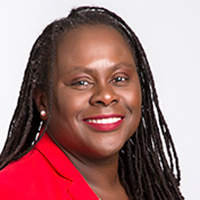

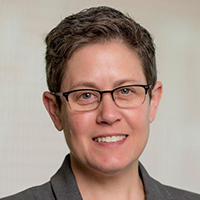
Angela
Onwuachi-WilligSameer Ashar
Kyle Velte
Needing a new role in the legal profession? Curious about a career in legal education? Join us for a webinar to learn about the different pathways into law teaching and how to make yourself a strong candidate. This virtual webinar will feature Dean Angela Onwuachi-Willig (Boston University School of Law), Professor and Clinical Director Sameer Ashar (University of California Irvine School of Law), and Associate Dean Kyle Velte (University of Kansas School of Law).
Moderated by Professor Catherine Smith (Washington and Lee University School of Law) and Associate Dean Alexi Freeman (University of Denver Sturm College of Law).
April 22, 2025: Neurodiversity in the Legal Workplace
12 pm - 1 pm, via Zoom
1 EDI CLE creditFeaturing River Sedaka

River Sedaka Neurodiversity refers to differences in how people think, learn, process information, communicate, collaborate, and understand the world around them. It includes conditions such as autism, ADHD, PTSD, OCD, bipolar disorder, and many others. In this session, attendees will learn about common ways that different neurotypes experience the world differently, and in particular, how that shows up in the workplace. The presentation will include suggested strategies for attendees to make their offices more neuroinclusive.
-
Fall 2024 Community Support & Engagement CLE Series
October 11, 2024: Navigating Bias in the Courtroom
12 pm - 1 pm, via Zoom
1 EDI CLE credit securedSpeakers: Judge LaQunya Baker and Judge Jon Olafson
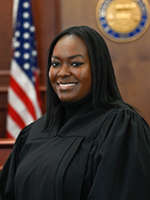
Judge LaQunya Baker 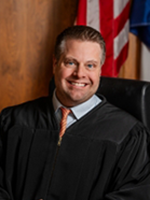
Judge Jon Olafson December 6, 2024: Navigating Bias in the Profession
A Discussion of Challenges, Strategies, and Tips for Success Focused on Female and Diverse Associates
12 pm - 1 pm, via Zoom
1 EDI CLE credit securedSpeaker: Miko Ando Brown
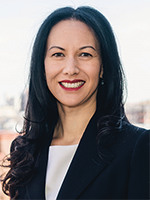
Miko Ando Brown December 13, 2024: Supporting Female & Diverse Associates
Tips on Navigating Bias to Improve Associate Retention, Engagement, and Well-Being for Partners, Leaders, and Recruiters
12 pm - 1 pm, via Zoom
1 EDI CLE credit securedSpeaker: Miko Ando Brown
Miko Ando Brown -
Spring 2024 Community Support & Engagement CLE Series
January 31, 2024: Diversity on the Bench
Featuring Judge Maritza Dominguez Braswell & retired Judge Cynthia Mares
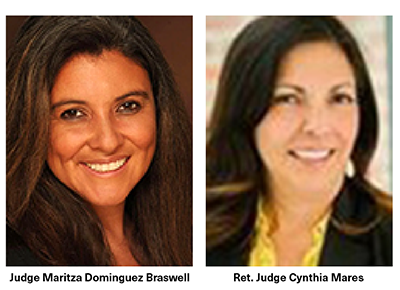
Judge Maritza Dominguez Braswell and retired Judge Cynthia Mares discussed the lack of diversity in the judicial sector and their efforts as part of their roles leading the Diversity on the Bench Coalition to ensure the bench represents the demographics of Colorado.February 28, 2024: Religious Inclusivity
Featuring DU Professor Sarah Pessin

Sarah Pessin, Professor in the Philosophy department within the College of Arts and Humanities, Interfaith Chair, and Director of Spiritual Life at the University of Denver, discussed religious inclusivity in the workplace and navigating religious diversity during challenging times.March 5, 2024: Access to Justice
Featuring Elisa Overall & Toni-Anne Nunez
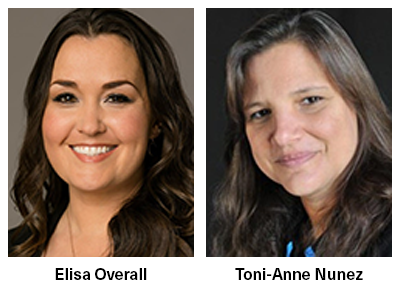
Elisa Overall, Executive Director of the Colorado Access to Justice Commission, and Toni-Anne Nunez, Director of Access to Justice for the Colorado Bar Association/Denver Bar Association discussed the access to justice crisis in our state and the impact of such crisis on particular communities.
-
Fall 2023 Community Support & Engagement CLE Series
October 6: Understanding the POWR Act Featuring Attorney Iris Halpern
Learn about Colorado’s new law, Protecting Opportunities and Workers’ Rights Act. This session is useful for employers and employees to understand rights and obligations.November 9: Luminarias: An Empirical Portrait of the First Generation of Latina Lawyers
Join us for this special event as we hear about DU Visiting Scholar Dolores Atencio’s 7-year research study to identify the first Latinas who earned law degrees in the United States and Puerto Rico over the 100-year study period of 1880-1980. She will take listeners on a journey from “segregation to the dawn of integration” to present the first empirical portrait of Luminarias.November 17: The State of Sexual Orientation and Gender Identity Law featuring Assoc. Dean and Prof. Kyle Velte of Kansas Law
Gain insights into federal and state laws affecting members of the LGBTQIA+ community.
-
Summer 2023 Community Support & Engagement CLE Webinar
July 6, 2023 - Best Practices for Hiring and Working with Students From Underrepresented & Marginalized Groups
-
Spring 2023 Community Support & Engagement CLE Series
Feb. 27, 2023 - Radical Inclusion
April 7, 2023 - What's the T?: Gender Identity and Legal Inclusivity
April 12, 2023 - Navigating Bias in the Profession
-
Fall 2022 Community Support & Engagement CLE Series
November 3, 2022 - Workplace Inclusivity and Allyship 101
November 17, 2022 - A Trauma-Informed, Anti-Racist Approach to Legal Advocacy
Watch Recording
December 15, 2022 - Generational Differences in the Legal Profession
Watch Recording
-
Spring 2022 Community Support & Engagement CLE Series
February 24, 2022 - DEI at Your Organization: What’s Permissible and What Works
Watch Recording
March 7, 2022 - Introduction to Neurodivergence for Lawyers
Watch Recording
April 6, 2022 - Inclusive Professionalism
Watch Recording
-
Fall 2021 Community Support & Engagement CLE Series
November 15, 2021 - Returning to Work with a DEI Lens
October 26, 2021 - Equal Pay/Family Leave
Watch Recording
October 15, 2021 - LGBTQ+ 101 Training
Watch Recording
September 13, 2021 - Critical Race Theory and the Law
Watch Recording
-
Spring 2021 Community Support & Engagement CLE Series
April 14, 2021 - SCOL DEI Storytelling Series: NFL Player Bennie Fowler & Lawyer, Teresa Gueyser (Bennie’s mother)
April 8, 2021 - Tokenism with Judge Darleen Ortega, the first woman and Latinx judge on the Oregon Court of Appeals
March 31, 2021 - Gender Identity and the Law
Watch Recording
March 9, 2021 - Disability Justice: Understanding Rights, Responsibilities, and Best Practices for the Legal Profession
Watch Recording
Feb. 25, 2021 - About Race: Working with Lawyers and Law Students of Color
Watch Recording
Feb. 2, 2021 - Interrupt Implicit Bias by Design: How Legal Organizations are Using Inclusion Nudges and Embedding Bias Interrupters
Jan. 28, 2021 - What you Don’t Know Can Hurt You: The Hidden Impacts of Unconscious Bias
-
2020 Community Support & Engagement CLE Series
July 31, 2020 - What is Movement Lawyering
Watch Recording

Pipeline Initiatives
Pipeline programs, developed and in place at many law schools, are designed to increase the flow of diverse students into the pool of applicants for legal education. Without that increase, “the profession will remain apart from the population it represents.” The challenges are many and varied. Sundry inequities and hurdles make access to education for diverse students “a winding maze with detours, dead ends, obstructions and holes.” It follows that no one-size-fits-all pipeline program is possible, and our efforts at Denver Law offer a variety of approaches.
-
Pipeline: Middle School and High School to College
Annually, we host 5-20 workshops with Colorado middle and high schools to expose students to law school and the profession. In 2022 and 2026, we were named Denver Public Schools' Xplore Career Partner of the year.
Denver Law Named Xplore 2026 Partner of the Year
Our partnership with the Denver Urban Debate League brings the nonprofit under our roof, allowing us to provide support to 100-200 students across Metro Denver to participate in competitions and develop skills translating to academic success and access.
Our partnership with Learn Your Rights in the Community informs students of their constitutional rights in police interactions and immigration matters, while also exposing them to lawyers and law students who deliver such presentations.
Volunteer Today! -
Pipeline: Undergraduate to Law School
We have a rich history of hosting Pipeline Conferences. Since 2014, we have hosted multiple conferences that bring together law professors, law school admissions officials, lawyers, and law students together with undergraduates from historically marginalized groups attending Colorado colleges and universities to share information about preparing for and succeeding in law school.
Over time, we've established partnerships with Metro State University, Fort Lewis College, University of Northern Colorado, the Community College of Denver, and other local schools. In 2021-22, supported by LSAC, we hosted the Inter-Institutional Consortium Pre-Law Education program to provide resources, mentors, and workshops to students. In 2025, we fostered a relationship with Lexis and Fort Lewis College to help pre law students get a jump start on research databases. We always seek additional collaborations – contact alexi.freeman@du.edu. -
Pipeline: Law School Faculty
We must do more to increase the diversity of faculty at Denver Law. Our students deserve to learn from faculty who bring diverse perspectives and experiences to their classrooms, and we believe in supporting the teaching and scholarship interests of such faculty.
We recently launched the Diversity, Equity and Inclusion Practitioner Teaching Fellow Initiative to bring in talented lawyers as adjunct professors to teach specialized courses that share their professional and lived experiences. Historically, our Emerging Legal Scholars Initiative has sponsored scholars seeking to enter the legal academy to attend conferences.

The Seven Principles Underlying Pipeline Efforts
Our Approach and Guidelines
-
1. Go local
We seek to foster connections between Denver Law / DU and young people in the city of Denver, the state of Colorado, and the Rocky Mountain region. We are committed to opening doors to those “in our own backyard” and creating opportunities that ultimately will strengthen diversity within the practicing bar.
-
2. Build relationships
Our goal is to build genuine connections and relationships, both with partner organizations and the students with whom we are engaged. Relationships serve to strengthen our efforts and ultimate outcomes.
-
3. Level the playing field
Structural barriers and barriers of thought both undermine the competitiveness of diverse students in law school admissions and in law school performance. We want to break those down, or at least chip away at the walls.
-
4. Embrace the long-term view
The developments we envision will not happen overnight; a first-year high school student with whom we are engaged now is at least seven years away from admission to law school.
-
5. Monitor and assess
We must be able to offer compelling arguments for why we are undertaking particular projects and monitor indicators that tell us whether we are on the right track. In the long term, outcomes must be quantifiable.
-
6. Be efficient—in terms of cost and expertise
Programs with large price tags are not necessarily going to be more effective than programs with smaller ones. Further, we do not want to reinvent the wheel; we acknowledge that our partners in the University and broader community often have skills and expertise we do not.
-
7. Support the bigger picture
Our broad interest is in breaking down barriers that impede the success of less privileged individuals and groups in our communities and in society. Although our goal is for the students with whom we engage to ultimately choose the University of Denver and the law school, if a student chooses another undergraduate program or law school, or opts for business or medical school instead, that is still a success, because it is a success for that student and for equity in our society.
See, Catherine Smith, Seven Principles: Increasing Access to Law School Among Students of Color. Iowa Law Review, 96: 1677, 1683 (2011).

Land Acknowledgement
1st law school in the nation with an associate dean dedicated to diversity, equity and inclusion
1892 inaugural class included a woman, an African American, and a foreign national from Japan
1941 alumna Helen Thorp becomes the first full-time female law faculty member in the nation
Our Commitment to Pay Equity
Community Support and Engagement Contact
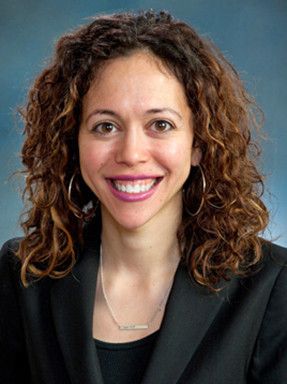
Alexi Freeman
Associate Dean for Community Support & Engagement | Director of Externships and Social Justice Initiatives
Learn More